

Join our mailing list for latest news, special offers and more!
Connect with us:
Categories
22 Products You Never Thought Would Become Obsolete
Posted on 30 Sep 2019 in General / 1,130 Views
Alarm Clocks
725-2008

Prior to the year 725, no one was ever on time for anything. But that year in China, Yi Xing invented the first known alarm clock, and the descendants of his contraption have been startling slumberers out of dreams both good and bad ever since. It was actually the rise of the clock radio that spelled the beginning of the end for the standalone alarm clock, but in the end it was cell phones that rendered the single-function timed noisemaker a relic of a bygone era.
HERE TODAY, GONE TOMORROW
Phone Booths
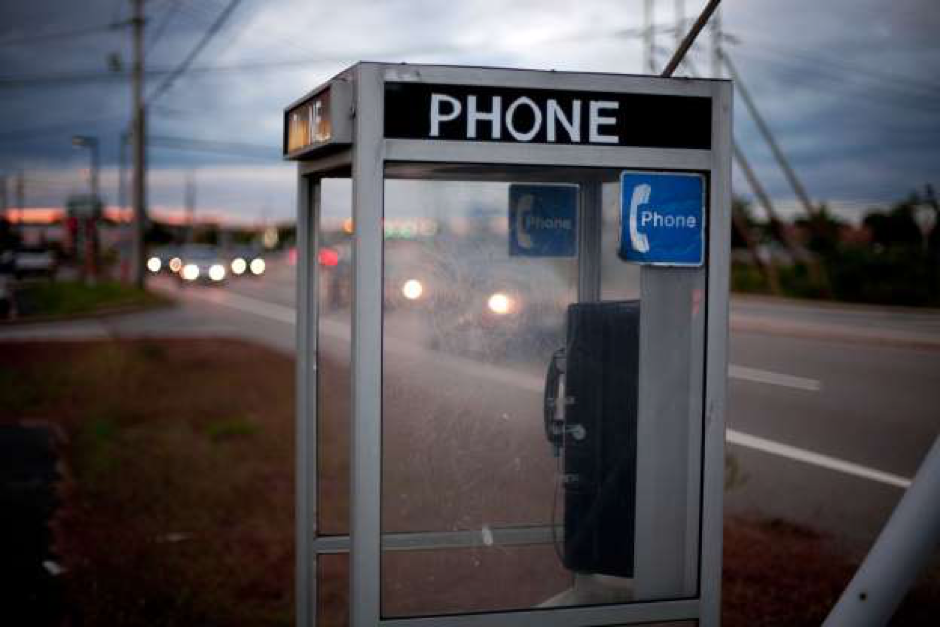
Today's newest, fastest and best technology will soon look like a relic to future shoppers. With each new update, release, and revision, the last version immediately feels primitive. Some products last just a few years, and others endure for centuries, but one thing is certain — obsolescence is often inevitable.
Encyclopedias
1766-2010
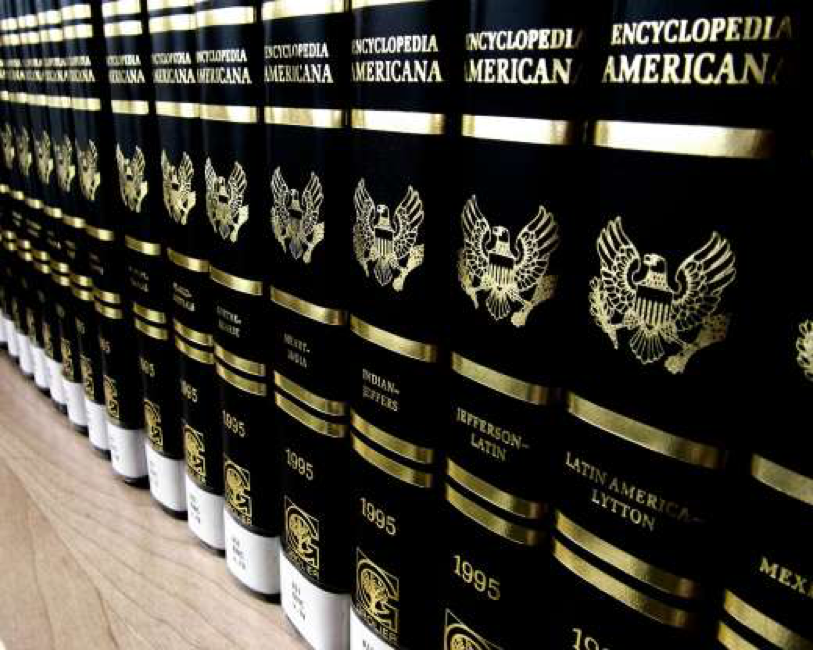
In 2010, the Encyclopedia Britannica published its final print edition. It was a massive, 32-edition collection that followed in the footsteps of the seven million similar sets purchased by academics, students and hobbyists throughout the company's 244-year history. The encyclopedia met its demise in the form of the Internet, which offered knowledge at the click of a button.
Film
1839-2018
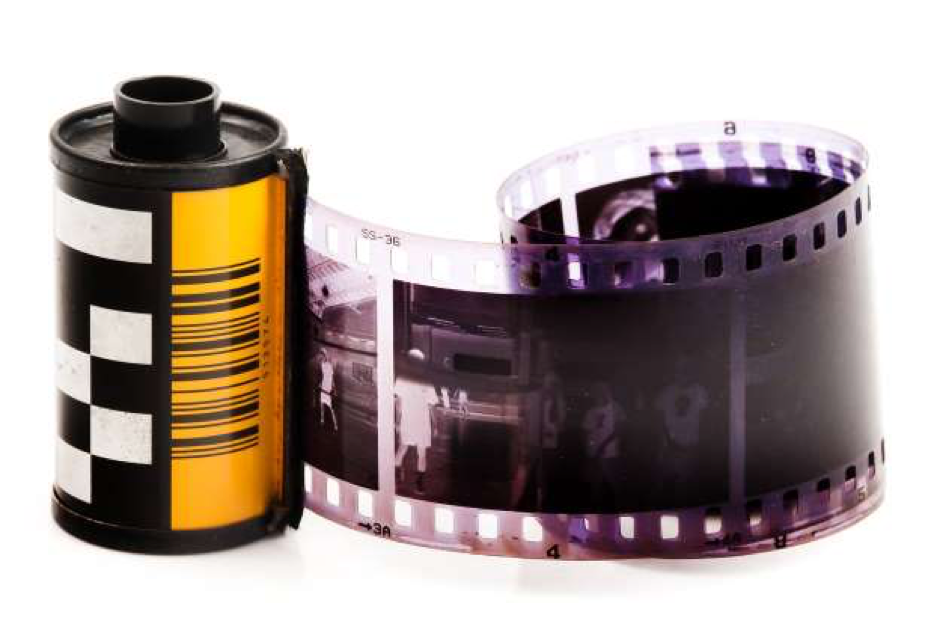
In 1839, Louis-Jacques-Mandé Daguerre shocked the world by freezing a moment in time when he snapped the world's first photograph. Film photography would dominate for more than 150 years. Although the first digital camera was created in 1975, the 1999 Kodak DC210 truly signaled the beginning of the digital camera revolution — and the beginning of the end for film. In May 2018, Canon announced it had finally sold its last film camera, eight years after it stopped making them — it took that long to deplete the unsold inventory.
Slide Projectors
1849-2000s
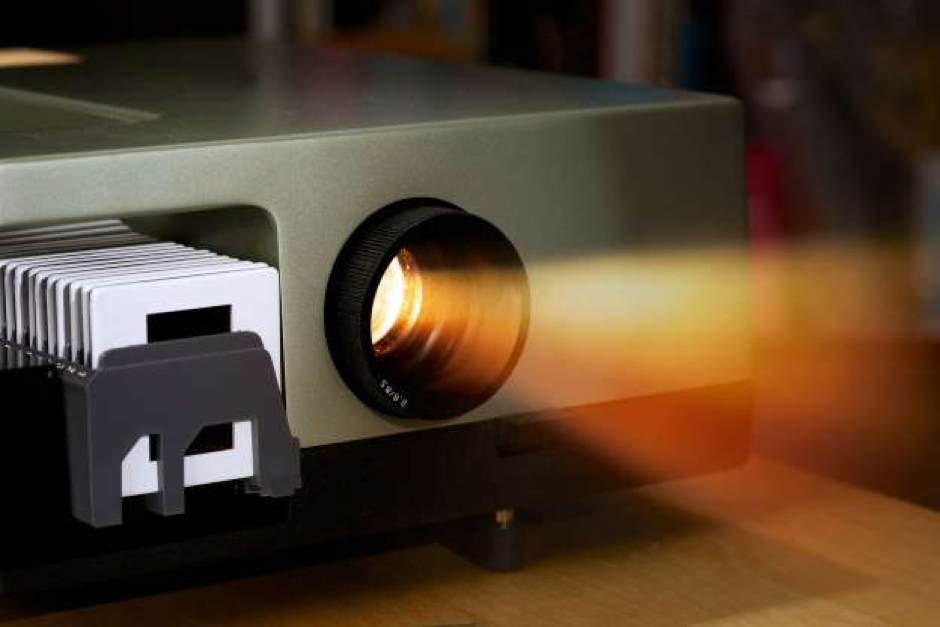
Scrolling through photos now requires nothing more than a few flicks of the finger across the smooth glass of a smartphone screen. If you need to turn those shows into a presentation, you have your choice of apps that let anyone create slick and seamless slideshows. There was a time, however, when that ability required actual slides. And those slides had to be projected via massive, loud machines that ran hot and came with little remote controls that were often beyond the understanding of the person running the show.
Fax Machines
1843 - late 2000s
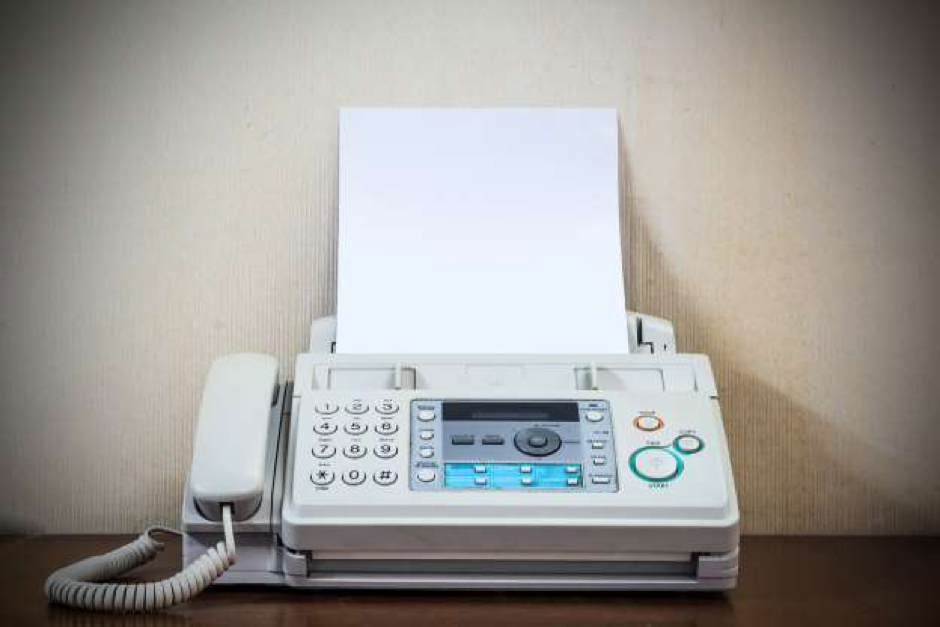
It's hard to believe that fax machines have clung to the bottom rung of the office tech ladder for as long as they have. Although facsimile machines aren't quite dead, they are certainly a dying breed, at least compared to the technology's peak of popularity in 1997 when 3.6 million of the loud, bulky machines were sold. Faxing was perfected to near-modern standards in the early 1900s, but the technology was so expensive that it was out of reach for most businesses until the 1980s. Today, services like FaxZero, launched in 2006, allow anyone with an email address and an internet connection to send faxes for free, which doesn't bode well for the future of the fax machine. U.S. sales of fax machines fell by more than half from $181 million in 2005 to $70 million in 2010.
Typewriters
1867-2011
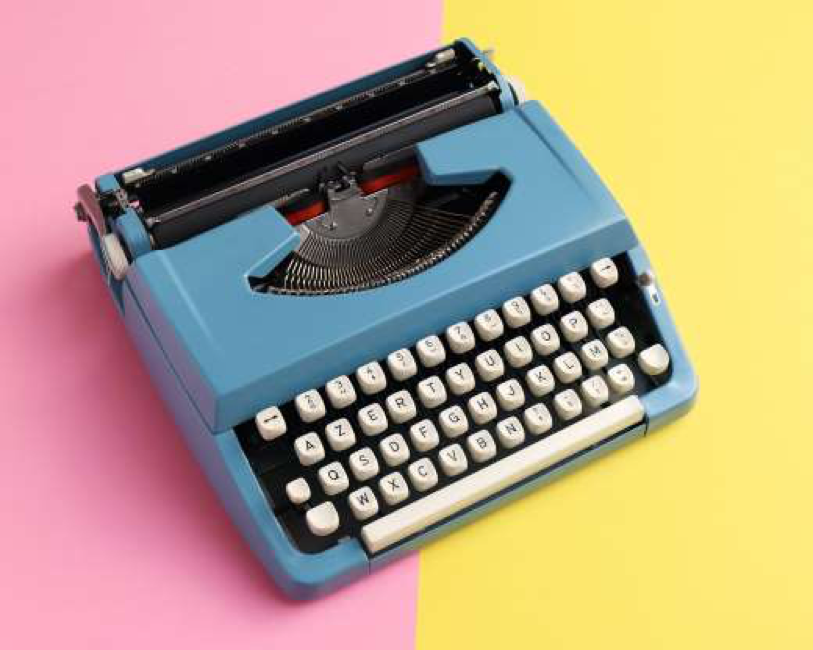
In 2011, the world's last remaining manual typewriter manufacturer closed for good in Mumbai, India. It was the demise of an office and literary icon. Typewriters met their end, however, thanks to the arrival word processors, followed closely behind by personal computers.
Card Catalogues
1870s-2000

Most Millennials have never rifled through a wooden chest of drawers filled with numbered index cards in their local libraries. But for generations, that's exactly how the Dewey Decimal System and the card catalogue made finding books easy. Computers were doing the task by 2000.
Landlines
1876-2017

Alexander Graham Bell revolutionized human communication when he made the first phone call to his assistant, Thomas Watson. The landline was born and it dominated for more than a century. The mobile era, however, signaled the end for the old-fashioned landline. In 2017, lawmakers in Illinois finally voted to allow AT&T to stop serving the state's 1.2 million remaining landline customers.
Highway Maps
1890s-2013

The first road maps appeared at the dawn of the automotive era to help drivers of "horseless carriages" navigate the few horrendous roads that existed. Around a century later, GPS became available to the masses, which eventually led many states to reduce print runs or even stop printing the traditional American highway map altogether.
Phone Books
1878-2012
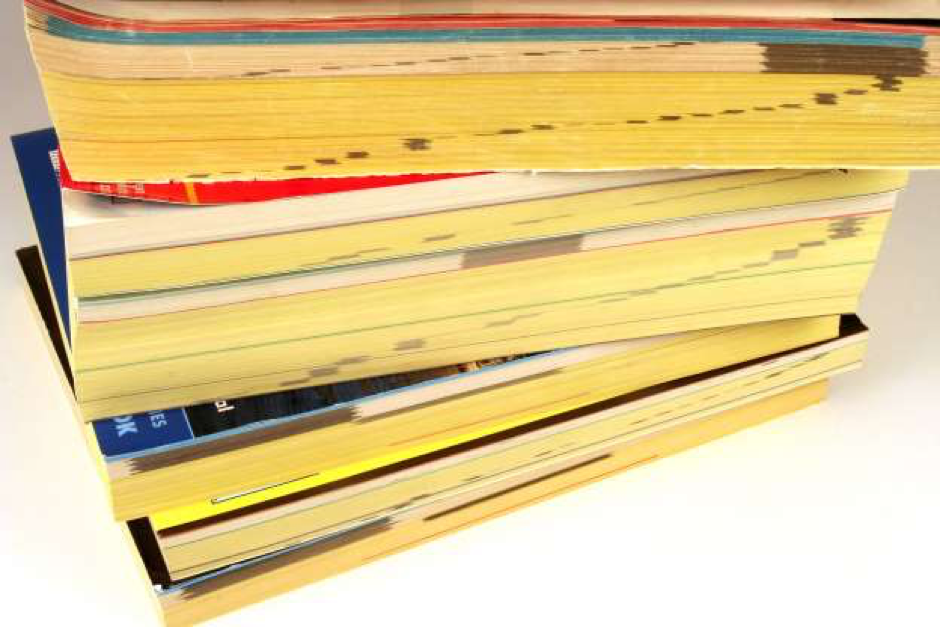
In 2007, Bill Gates predicted that "Yellow Page usage among people, say, below 50, will drop to zero — near zero — over the next five years." More than a decade later, the 20th century relic refuses to die, with bound white and yellow paper directories of business and residential phone numbers still showing up on doorsteps across the country. But while they are still being produced, how often are they actually used in the era of smartphones and Google? Their biggest users, however, appear to be YouTubers attempting to tear them apart in video stunts.
Filmstrips
1940s-1980s
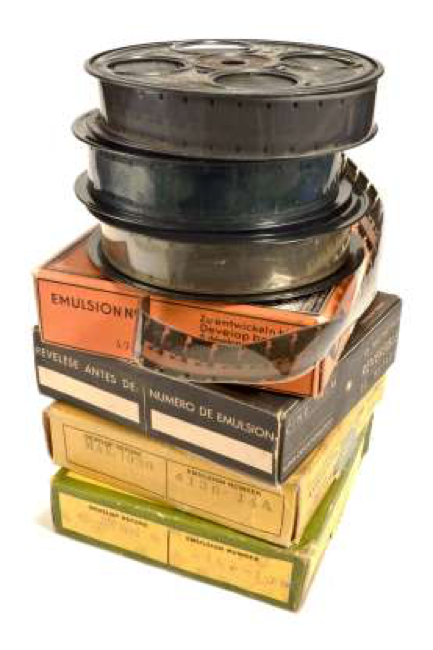
Near the end of World War II, filmstrips emerged as a practical alternative to clunky 16mm film for educational or training purposes. Easy to store and easy to use, filmstrips were a practical alternative to 35mm films. By the 1980s, however, compact and efficient video players, including VHS, rendered filmstrip projectors obsolete.
Vinyl Albums
1948-1993
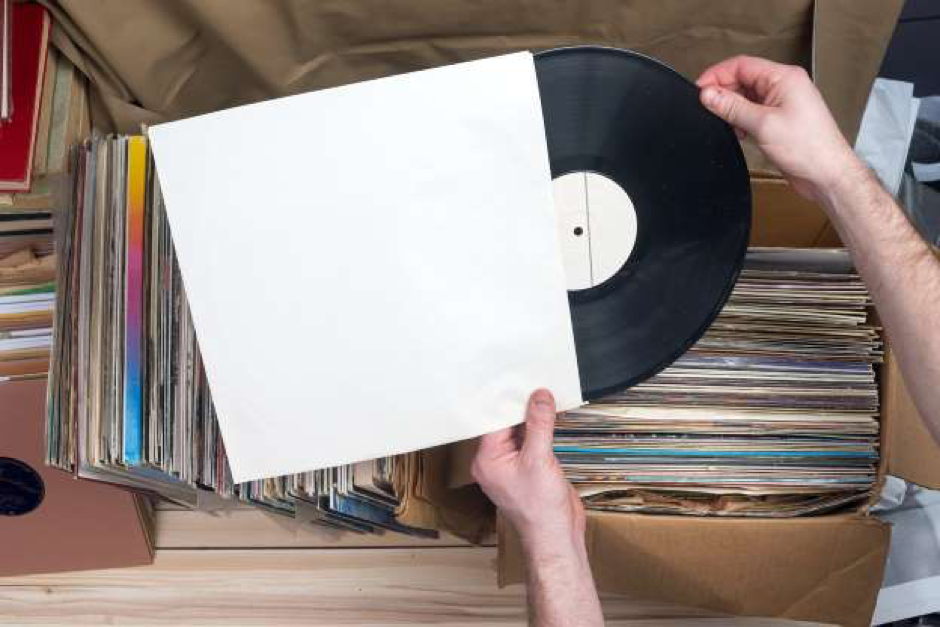
Although vinyl records would play for a few more years — mostly in jukeboxes and on DJ turntables — the vinyl album was all but extinct by 1993, thanks to the skyrocketing popularity of the compact disc. Although plenty of music lovers continue to cling to the easily scratchable black disks to this day and vinyl loyalists have helped drive a recent resurgence in production and sales (though still low by past standards), the rise of CD spelled the end for the record, which Columbia Records first introduced in 1948.
Pagers
1949-1998
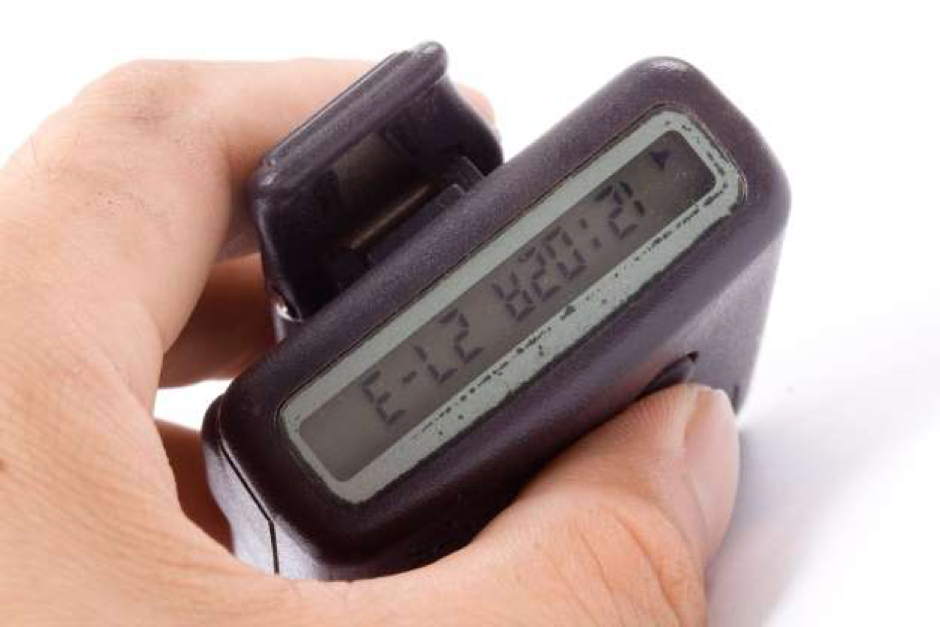
The first pager was originally developed for a hospital in 1949. One-way pager use hit its peak in 1998, and then began a rapid downward spiral. The arrival of the two-way cell phone quickly rendered the technology — long a mainstay of drug dealers and doctors — a relic as the digital age drew near.
Calculator Watches
1975-1980s
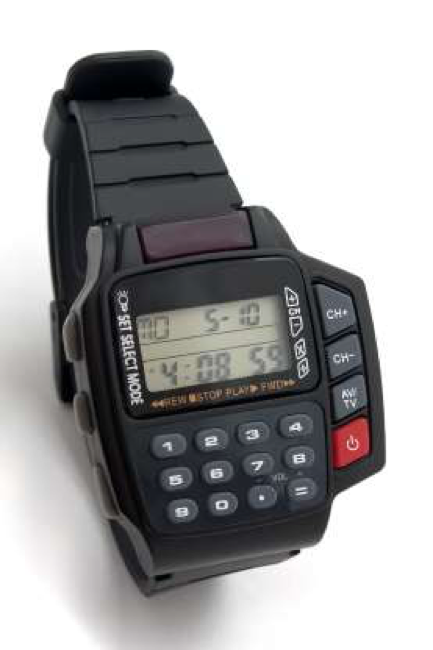
Long before smartphones put clocks and calculators in our pockets, the calculator watch debuted as the ultimate in geek chic. Wristwatch and number-cruncher all-in-one, the calculator watch soon fell victim to the PDA and early cell phones.
The Polaroid SX-70
1972 - mid-2000s
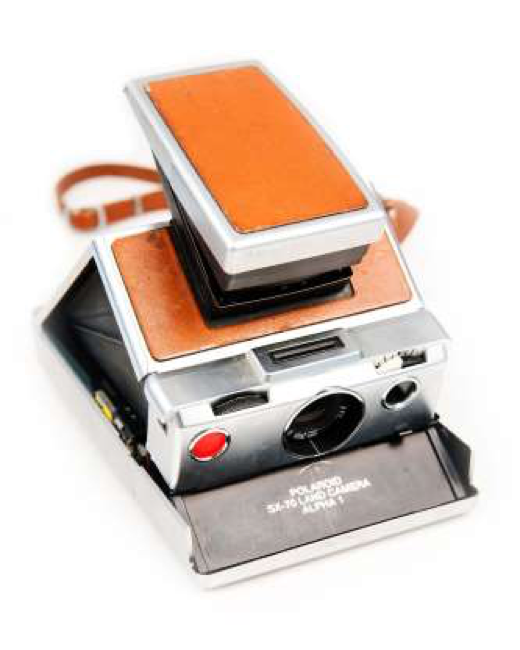
The world was introduced to instant photography in 1972, when a Polaroid executive snapped five snapshots in just 10 seconds with the game-changing SX-70. Over the decades, the game changed again, and then yet again. Although you can still pick up an SX-70 brand new from Polaroid, provided you're comfortable with a $400-plus price tag, the iconic devices are living relics. Like other things in the realm of picture taking, these have been made largely obsolete with the advent of smartphones and digital photography.
VHS
1977-2005
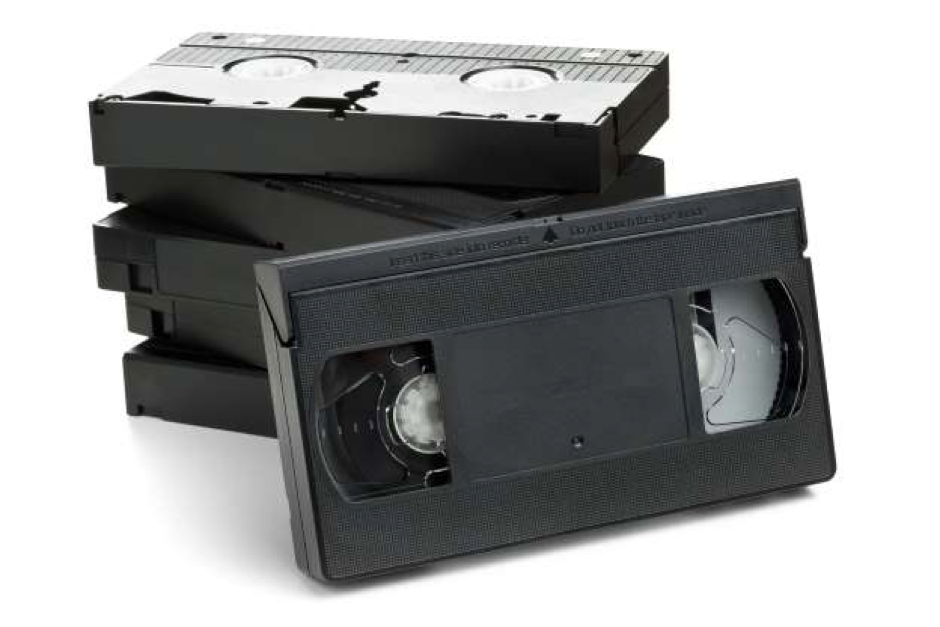
The world met the Video Home System (VHS), and the video cassette recorders that brought them to life in 1977. In one of the greatest rivalries in the history of technology, VHS would eventually spell the death knell for Sony's rival Betamax. Although the VCR and VHS tape were largely rendered obsolete by the turn of the millennium, the once-revolutionary tech limped into the digital age, until the Washington Post officially wrote its obituary on Aug. 28, 2005.
The Walkman
1979-2010
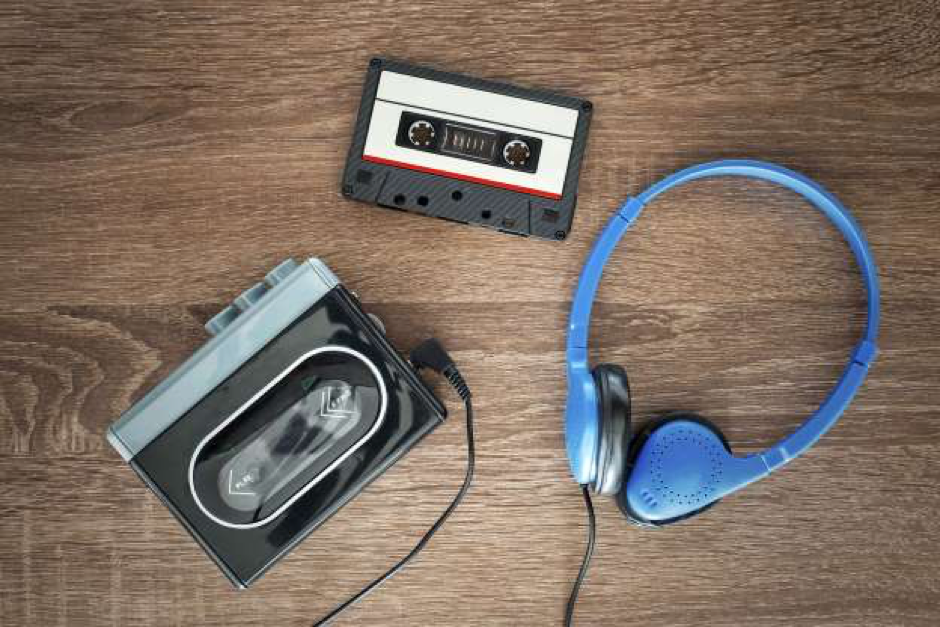
Few devices are as iconic as the vaunted Sony Walkman, which made on-the-go stereo sound possible for the masses long before MP3 players and iPods. The Walkman cassette player debuted in 1979 and sold 220 million units over the course of three decades, even as CDs and other digital technology wiped out classic tapes. Finally, in 2010, Sony announced that it was ceasing production of one of the defining devices of the 1980s — it was the same year Sony stopped making 3.5-inch floppy disks.
Floppy Disks
1981-1998
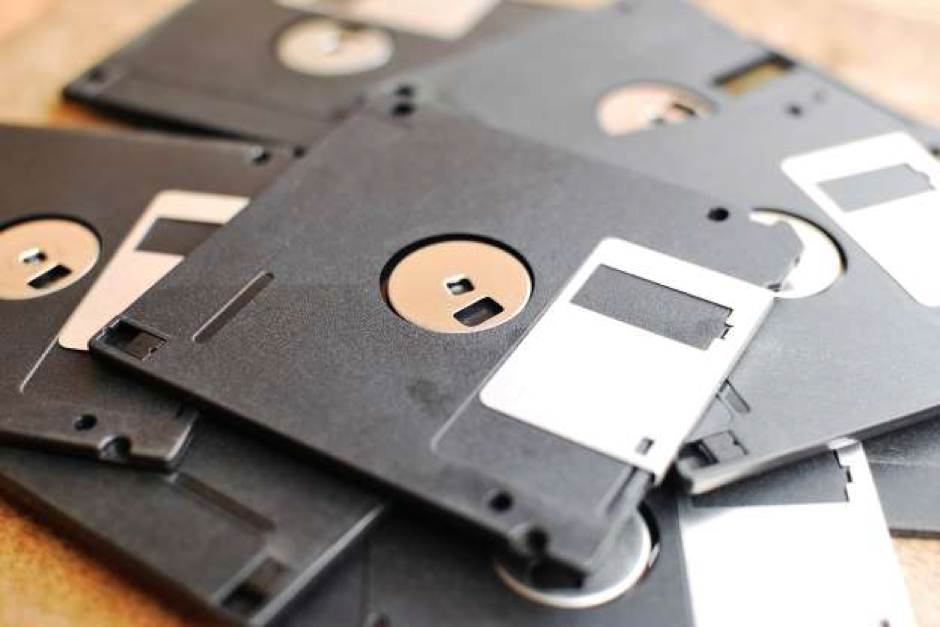
Although Sony would continue to sell them in Japan for another 12 years, the floppy disk — with its massive 1.44 MB of storage — received a fatal blow in 1998. That's when Apple unveiled the iMac G3, which introduced the first USB port — and dropped support for the aging floppy disk.
Compact Disks
1982-2013
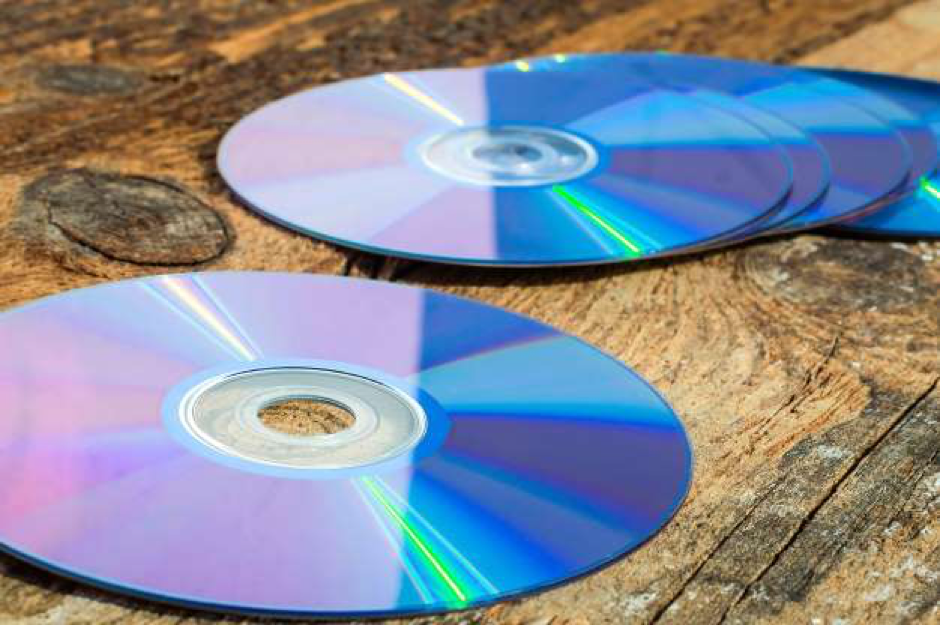
In 1982, Billy Joel's "52nd Street" became the first commercially-available compact disc. MP3s, streaming music services, and the internet would eventually render obsolete the little shiny disc that killed the records and tapes that came before. In 2013, Kanye West released the album "Yeezus" in a transparent case with no record art, which the rapper claimed was an open casket funeral for the CD.